The Law-Making Process in the UK
A Step-by-Step Guide
Hello readers of Basic Pakistani Laws! Today, we're looking at how laws are made in the United Kingdom. The UK has a system where laws, called Acts of Parliament, are created through a careful process in Parliament. This involves both the House of Commons (elected MPs) and the House of Lords (appointed members). Most laws start as ideas from the government, but some come from backbench MPs or Lords. We'll go through it step by step in simple terms. This is for primary legislation, which are public bills that affect the whole country.

Step 1: Coming Up with the Idea (Pre-Legislative Stage)
Before a law is even written, the government thinks about what new rules are needed. They might spot a problem, like crime or education, and decide to fix it with a law.
- Green Paper: The government publishes a document called a Green Paper. This shares early ideas and asks for opinions from the public, experts, and groups. It's like a consultation to get feedback.
- White Paper: After hearing views, they release a White Paper. This has firmer plans on what the law should say.
Not every bill goes through these papers, but many do, especially big ones. This helps make sure the law is fair and well-thought-out.
Step 2: Drafting the Bill
Once the plans are ready, lawyers in the government draft the actual bill. A bill is like a proposal for a new law or changes to old ones. It's written in legal language but must be clear. Sometimes, there's a draft bill published for more checks by committees in Parliament.
Step 3: Introduction to Parliament (First Reading)
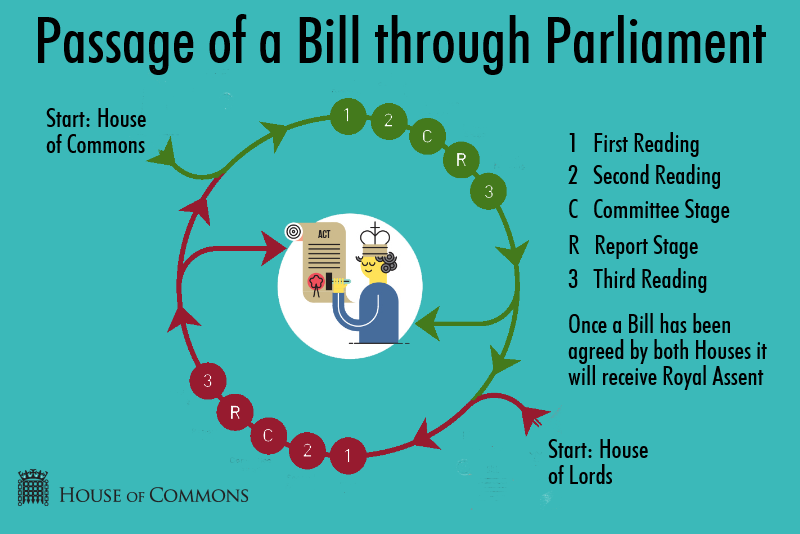
The bill is now ready to go to Parliament. It can start in either the House of Commons or the House of Lords (except money bills, which start in the Commons).
- In the first reading, the bill's title is read out, and it's printed. There's no debate or vote – it's just formal introduction.
Step 4: Main Debate (Second Reading)
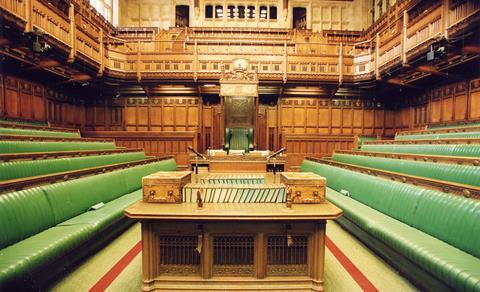
This is where things get interesting. MPs or Lords debate the main ideas and principles of the bill. They talk about whether it's a good idea overall.
- In the Commons, this happens on the floor of the House.
- There's a vote at the end. If it passes, the bill moves on. If not, it's dropped.
Step 5: Detailed Check (Committee Stage)
Now, the bill is examined line by line. A committee of MPs or Lords looks at each part (called clauses) and suggests changes, called amendments.
- In the Commons, this is usually a public bill committee with 16-50 MPs.
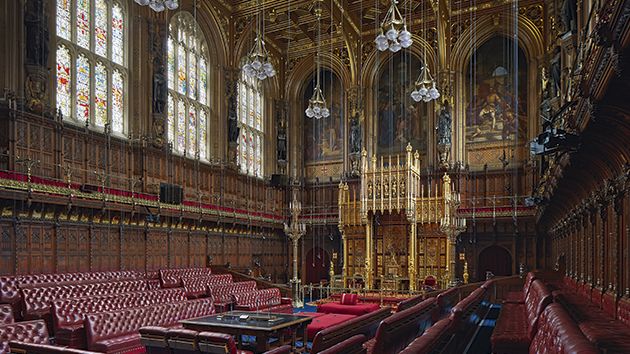
- In the Lords, it's done by the whole House or a grand committee.
- Witnesses might give evidence, and votes happen on amendments.
This stage makes sure the bill is practical and fixes any issues.
Step 6: More Changes (Report Stage)
After committee, the bill goes back to the full House for report stage. Here, all members can suggest more amendments and vote on them. It's a chance to improve it further.
Step 7: Final Debate (Third Reading)
This is the last chance to discuss the bill in that House. In the Commons, it's usually short and no more big changes. In the Lords, amendments can still happen. There's a vote to approve the final version.
Step 8: The Other House
Once one House passes the bill, it goes to the other House (Commons to Lords, or vice versa). It repeats the same stages: first reading, second reading, committee, report, and third reading.
If the second House makes changes, the bill goes back to the first House. This back-and-forth is called "ping-pong" until both agree on the exact wording.
Step 9: Royal Assent
Finally, the bill needs the King's approval, called Royal Assent. This is a tradition – the monarch always gives it these days. Once signed, the bill becomes an Act of Parliament and is law.

Other Things to Know
- Types of Bills: Public bills (from government), private members' bills (from individual MPs), and private bills (for specific groups).
- Time: The whole process can take months or even a year.
- Devolved Parliaments: Scotland, Wales, and Northern Ireland have their own powers for some laws.
That's the UK law-making process in a nutshell! It's designed to be thorough so laws are good for everyone. If you have questions, drop a comment. Stay tuned for more on laws from around the world.